The Lorax and 12 Other Children’s Books that Made the Banned or Challenged List

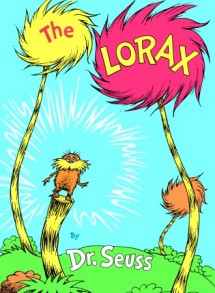
Dr. Suess may have been ahead of his time with his message of environmentalism in The Lorax, but here’s one he probably never saw coming:  In 1989 this staple of children’s literature was challenged  for “criminalizing the foresting industry.”

Here are 12 more authors who raised the ire of the banning brigade. Sure, we could have predicted that And Tango Makes Three would have religious groups up in arms with its portrayal of a homosexual relationship in nature, but who would have expected to see Charlotte’s Web or Tales of a Fourth Grade Nothing on the list?


And Tango Makes Three by Peter Parnell and Justin Richardson

The true story of how two male penguins adopted an orphaned baby penguin at the New York Central Park Zoo found itself at the center of the culture war surrounding same sex marriage and parenting. And Tango Makes Three was the one of the most challenged book of 2006 to 2010 for its portrayal of “alternative or non-traditional families”, its “religious viewpoint”, and “homosexuality”. (ages 6 – 8)


Captain Underpants by Dav Pilkey

Although kids adore this series – toilet humor is always a crowd-pleaser with the under 10 crowd – the ‘Captain Underpants’ series was banned 2003 for being “unsuited to any age group,” as well as for “encouraging children to disobey authority.” It has also been challenged for “violence, offensive language” and “anti-family contents”. (ages 6 – 8)


Charlotte’s Web by E.B. White

As recently as  2006, parents in Kansas called for the banning of this long-time favorite for what they called “inappropriate subject matter for a children’s book,” stating that, ‘humans are the highest level of God’s creation and are the only creatures that can communicate vocally. Showing lower life forms with human abilities is sacrilegious and disrespectful to God.’ (ages 6 – 8)

For the story behind the writing of this classic children’s book, check out The Story of Charlotte’s Web: E. B. White’s Eccentric Life in Nature and the Birth of an American Classic by Michael Sims.


A Light in the Attic by Shel Silverstein

Banned for its “suggestive illustrations,” this book has also been described by its detractors as “glorifying Satan,” “suicide and cannibalism,” and also “encouraging children to be disobedient.” (ages 6 – 8)
 

The Lion, the Witch and the Wardobe by C.S. Lewis

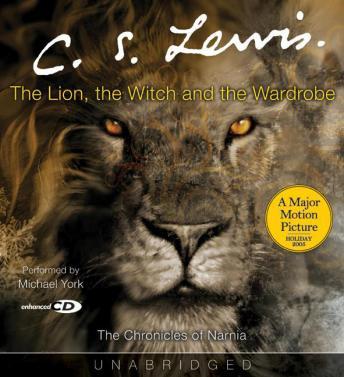
Despite the fact that author C.S. Lewis was a devout Christian, the first of his popular fantasy series from the 50’s has been challenged for “graphic violence, mysticism and gore.” (ages 9 – 12)


James and the Giant Peach by Roald Dahl

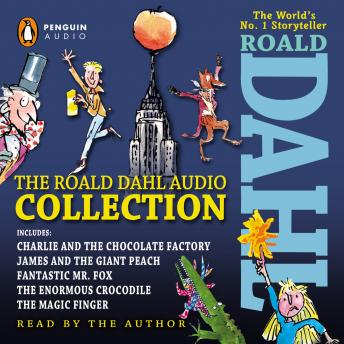
Dahl is another classic author who had his work banned. James and the Giant Peach has made several lists for its alleged promotion of “alcohol and drug use,” “inappropriate language,” and for “encouraging disobedience to parents.” (ages 9 – 12)
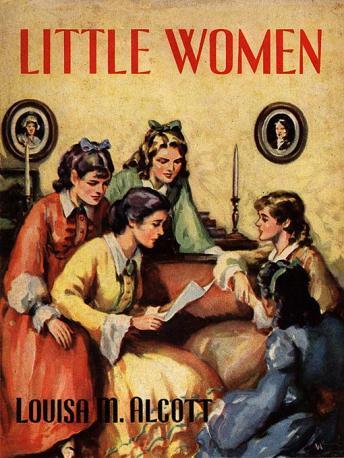


Little Women by Louisa May Alcott

Although it was considered progressive for its depiction of women at the time of its publication in 1869, some modern feminists feel Little Women should be banned because “diminishes young women, panders to the ‘weaker sex’ mentality, and fails to empower girls to succeed.” (ages 9 – 12)
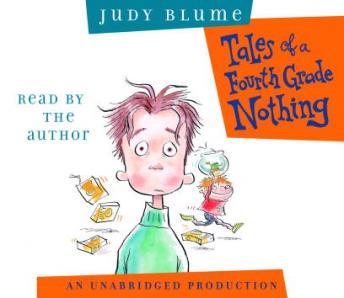


Tales of a Fourth Grade Nothing by Judy Blume

If you haven’t already read this humorous story of a boy and his unruly little brother, then you might not understand why some groups have called for it to be banned for “cruelty to animals” due to a climactic scene involving a pet turtle named ‘Dribble.’ (ages 9 – 12)
 

A Wrinkle in Time by Madeleine L’Engle

L’Engle’s science fiction fantasy series has raised objections for its references to “religiously objectionable content” including the portrayal of demons and witches. Such claims, as well as “offensive language,” have landed this perennial favorite on the list of Most Challenged Books of 1990-2000.
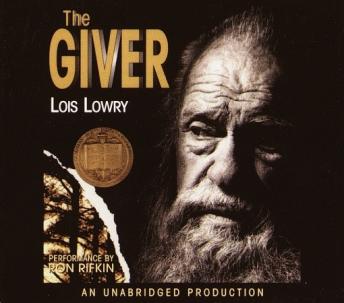


The Giver by Lois Lowry

This award-winning book has made several banned and challenged book lists. It’s sometimes called ‘The Suicide Book’ because the Utopian Society portrayed in the book uses euthanasia to maintain their ideal existence. (ages 9 – 12)


Harry Potter by J.K. Rowling

The ‘Harry Potter’ books and movies have made so many bestseller lists, perhaps it’s no surprise that they top another list as well – they are number 1 on the American Library Association’s Top 100 Banned/Challenged Books between 2000 and 2009.  In more than a dozen states challenges to this beloved series have been issued, claiming that the portrayal of witches and wizards promotes an interest in the occult. (ages 9 -12)
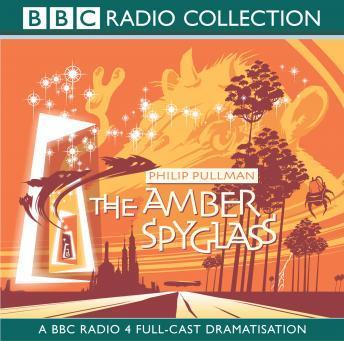
 

His Dark Materials by Philip Pullman

This popular series has so much to recommend itself to those who strive to ban books – talking animals, witches, a journey to the underworld. But the Catholic League has specifically called out this series for its “atheism and Catholic bashing.” Based on his depiction of the church in his books, I don’t think Pullman loses much sleep over the accusations. (ages 9 – 12)
Audio Book Virgin? 6 Tips to Pick the Best Audio Book for Your First Time

Making the switch from reading to listening isn’t always easy. Many of us stop listening to books read out loud once our parents stop tucking us in, and it’s a skill that gets rusty. New audio book listeners sometimes complain that they lose focus, don’t understand the story as completely, and get interrupted or distracted. But believe me: it gets easier. Choosing the right book to help ease you in will make a world of difference and can kick-start a long love affair with audio books.

1)      No Long-Winded Epics

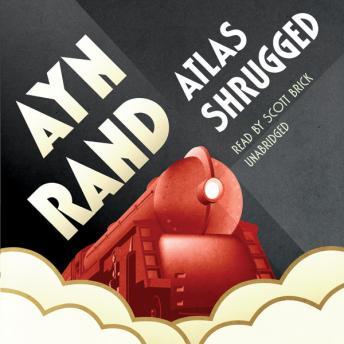
Atlas Shrugged audio book by Ayn Rand

At 63 hours strong, maaaybe not the best first choice.

If you’re new to audio books, the idea of putting in 40 hours–a work week’s worth of time!–to finish a book may seem ridiculous. If you’re only listening to 20 minutes here, 20 minutes there, it could take months before you finish—and you’ll have forgotten everything that happened in the first half, anyway. Picking something shorter means you’ll move through the story and get to the pay-off quicker.  I’d recommend going with something 10 hours or less, or trying a short story collection by an author you enjoy.


2)      Go Easy On Yourself

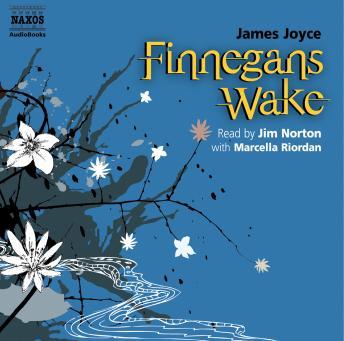
Finnegan's Wake audio book by James Joyce

I would suggest holding off on this one.

There are a lot of books out there. There are some that are easy to read, and some that are very, very challenging. This might not be the best time to dig into an overly technical new subject or take on a notoriously difficult tome.  No one’s suggesting you start out with Hop on Pop, but picking something a little more easily digestible will start working out those auditory comprehension muscles so you can work your way up to Finnegan’s Wake.


3)      Genre Matters

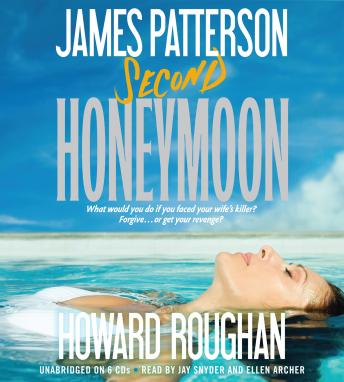
Second Honeymoon audio book by James PattersonChoosing a genre ultimately comes down to personal taste, but there are some that lend themselves particularly well to audio books. Biographies and memoirs are great, especially celebrity autobiographies: often times, the celebs themselves  narrate the books, adding a bit of star power and some acting chops into the mix.  A good comedic

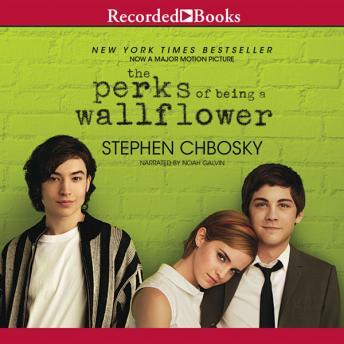
The Perks of Being a Wallflower audio book by Stephen Chboskyessay or memoir is deeply entertaining without requiring you to latch on to every word. Mysteries and thrillers will have enough suspense and action to keep you engaged when a dense piece of literary fiction might leave you drifting. Young Adult books generally have shorter durations, and are written in a straight-forward style that’s easy and enjoyable to listen to.

4)      Narration Matters – A Lot

Audio books introduce a new player into the reading relationship: there’s suddenly a strange third wheel elbowing their way between you and your mental narrator. Picking a book with a narrator whose voice you find enjoyable is critical to your enjoyment of a book. Always listen to the full sample: if there’s anything you find irksome, be warned that it only ever gets worse. Do not engage! Find something else with a narrator you enjoy.

5)      Familiarity

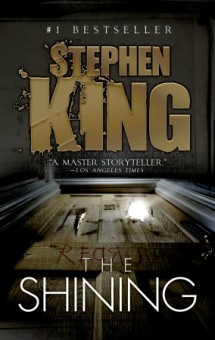
The Shining audio book by Stephen King

If you find yourself losing focus, try listening to something you’ve already read and enjoyed, or have seen a movie adaptation of. Knowing the story ahead of time means you won’t be left totally clueless if you happen to blank out for a minute or two.

6)      Learn When To Walk Away

Sometimes, a book is just bad. Or it’s not to your taste. Life’s too short to read books you don’t enjoy, and forcing yourself to sit through 15 hours of a nasal-y narrator or insipid plot is one way to guarantee a horrible audio book experience. Don’t blame the format; just hit Browse Books and find something new.

Not interested.


Ahoy! Our 6 Favorite Pirate Picks for Kids

Arrgh, mateys! September 19 is ‘Talk Like a Pirate Day’ and to mark the day we’re talking ABOUT pirates. Here are our recommendations for six of the best pirating books for kids of all ages.


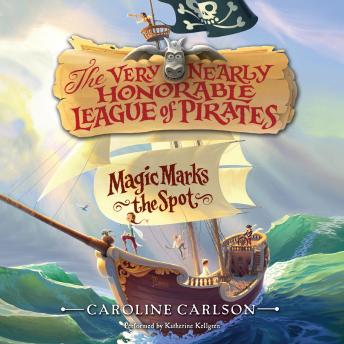
The Very Nearly Honorable League of Pirates #1: Magic Marks the Spot by
Caroline Carlson (ages 9 -12)

Life at Miss Pimm’s Finishing School for Delicate Ladies is not for Hilary Westfield, who longs instead for a life of adventure in Carlson’s new book. Answering an ad for a pirate crew, Hilary finds herself swept along on an epic journey with a misfit group of scallywags. Girls will love this story of a young lady who is quick with a sword, smart as a whip and not afraid to buck social mores to pursue her passion.  We can’t wait to read more of this series which sees Hilary ditch the petticoats to embrace the pirate life.

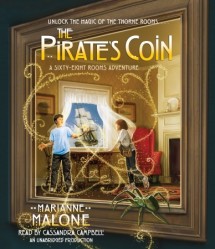
The Pirate’s Coin: A Sixty-Eight Rooms Adventure by Marianne Malone (ages 9 -12)

From the author of The Sixty Eight Rooms, based on an exhibit in the Children’s Galleries of the Chicago Art Institute, comes The Pirate’s Coin: A Sixty-Eight Rooms Adventure. In the same vein as ‘The Magic Tree House’ series, the Sixty-Eight Rooms adventures let Ruthie and Jack travel through time. In an effort to go back and help their classmate clear the name of her ancestor, the pair come across a mysterious old coin and find themselves in Cape Cod in 1753 where they discover that one of their own ancestors was a notorious pirate! This swashbuckling fantasy will capture kids’ imaginations, and throws in a dash of history for good measure.

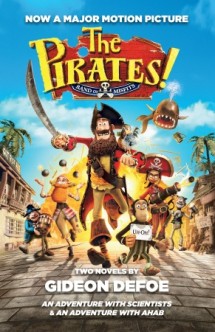
The Pirates! Series by Gideon Defoe (ages 9 -12)

If you caught the 2012 movie, ‘The Pirates! Band of Misfits’, then you have a good idea of what to expect from this ragtag crew and their hapless but lovable captain. Whether they’re tangling with Charles Darwin aboard The Beagle, attempting to hunt down Ahab’s White Whale, or exchanging words with the great romantic poets, these misfits will win over parents and children alike with their wacky adventures.

Pirates Past Noon (Magic Tree House #4) by Mary Pope Osborne (Ages 6 – 8)

Jack and Annie find themselves in danger of walking the plank in one of the first books in this beloved series. Will their adventure uncover treasure or treachery? Kids will be transported through time and lose themselves in this engaging tale of swashbuckling adventure.

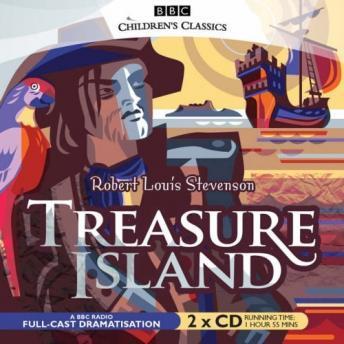
Treasure Island by Robert Louis Stevenson (ages 6 – 8)

No list of pirate books would be complete without this beloved classic. Young Jim races against time to outwit Long John Silver and his band of cut-throats in the search for lost treasure. Kid will love this thrilling tale of adventure on the high seas that still stands the test of time.

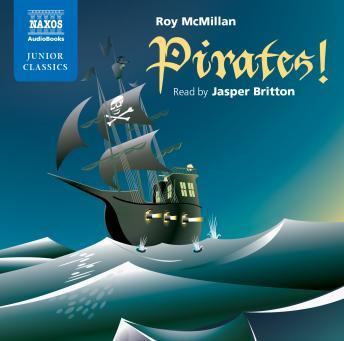
Pirates! By Roy McMillan (ages 6 – 8)

Sometimes truth can be stranger than fiction. The proof can be found in McMillan’s collection of amazing Pirate facts and stories. This book covers the history of pirates up to modern day, and his humorous approach makes it as fun to read as it is educational.

10 Life Lessons We Learned from Nicholas Sparks

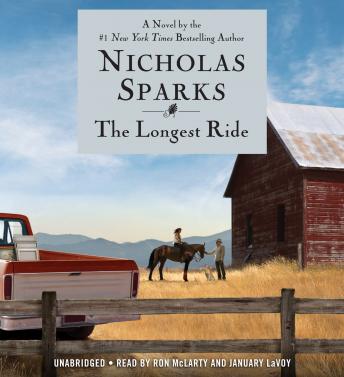
Nicholas Sparks’ new book, The Longest Ride was released this week, and to commemorate the newest title from this prolific author, we’ve pulled together 10 truths that we’ve gleaned from his bittersweet romances.

1. Families can really screw up a relationship
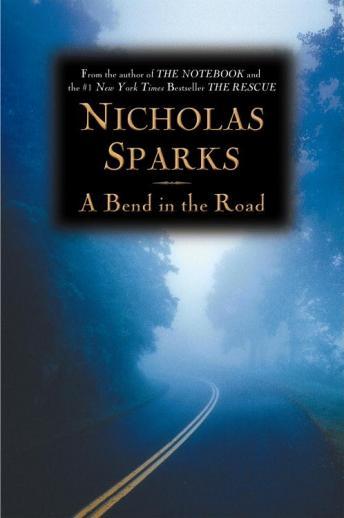
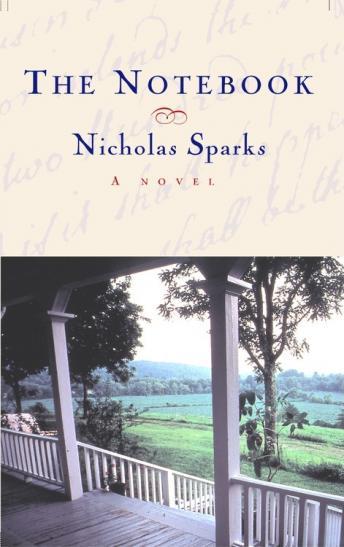
Look, we know our families love us but sometimes they just don’t know when to back off. In ‘The Notebook’, Allie’s mom took it upon herself to interfere in her daughter’s romance because she thought Allie was too good for the son of a laborer. I’m a mom so I get it – you want what you think is best for your kids. But messing with the mail is a federal offense for a reason. In ‘A Bend in the Road’, a brother’s secret threatens to derail a romance (Dude, chill. We are not our brothers’ keepers!)


2. Men are afraid of commitment
We women are all too familiar this one. Guys just can’t commit. Nowhere is this illustrated more clearly than in ‘The Rescue’. Taylor McAden is one hunky firefighter who is not afraid to take risks. He doesn’t think twice about rushing into a burning building to save a life. But settle down with one woman? No way! Seriously guys – what is THAT all about anyway?

3. Ghosts make great matchmakers
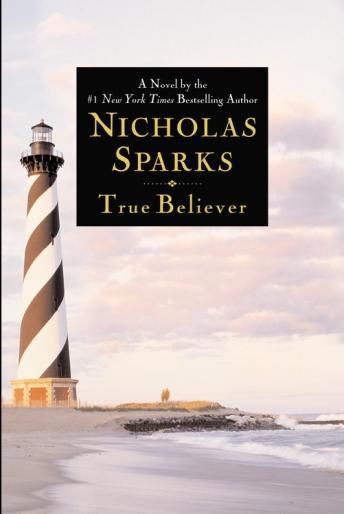
Some of us consider ghost stories terrifying and haunted graveyards creepy and gross. Apparently we don’t know what we’re missing out on by avoiding spectal encounters. In ‘A Bend in the Road’, Sarah and Jonah fall in love on a Ghost Walk, while in ‘True Believer’ mysterious happenings in the local cemetery draw investigative journalist Jeremy to town and straight into the arms of Lexie. Forget match.com – get yourself down to the graveyard after dark if you’re looking for love.


4. Dogs are smarter than people
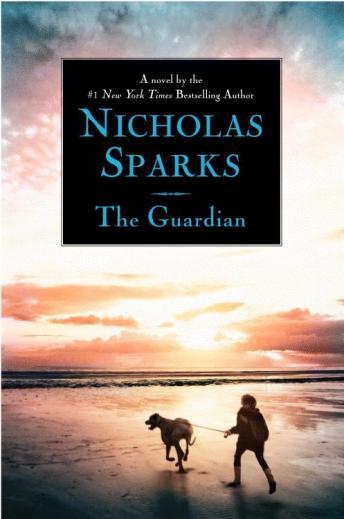
If you’re a dog owner, you already know this. But for you cat people out there, it takes Singer the Great Dane to see sense in ‘The Guardian’. Singer seems to be the only one to pick up on the fact that the new guy in his owner’s life is a psychopath. But will this cunning canine be able to save the day and steer Julie to Mr. Right? If only Julie were a dog, she’d have known better in the first place.


5. Pay attention in English Class
You never know when a well-written letter is going to make the difference between finding true love and a life of loneliness. Really people, you could lose more than just marks for bad spelling and grammar! Do you think Theresa would’ve bothered tracking Garret down if his ‘Message in a Bottle’ read “OMG, Catherine! You made me ROTFLMAO! You were totes my BFF!” I don’t think so.


6. Change the batteries in your smoke detectors
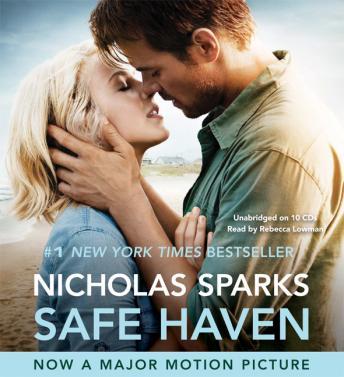
It’s not just the residents of firefighter Taylor McAden’s town in ‘The Rescue’ that seem to have an aversion to fire prevention. The characters in ‘Safe Haven’ also don’t pay much heed to the Fire Marshall’s warnings to replace their smoke detectors’ batteries every year when they put their clocks forward. Sure, with smoke alarms the books would be shorter but it would save a lot of heartache and hassle in the long run.


7. Get your eyes checked regularly
You never know when you’re going to fall in love at first sight. Imagine meeting the person you were supposed to be with, but you don’t even recognize it because they’re all blurry? ‘The Notebook’ proves that love at first sight is real and a yearly visit to the eye doctor will keep your eyes in top form should that special someone wander into your line of vision.


8. Invest in swimming lessons
Please, parents – take your children to swimming lessons as soon as they can walk! And if your own parents weren’t on the ball when you were a tot – it’s never too late. Check your local rec center for adult classes and make the time to learn. But even if you do know how to swim (Garret from ‘Message in a Bottle’, we’re looking at you!) remember the first rule of boating – wear a life jacket! Because what is the point of finding the love of your life if one of you is fated for a watery death?


9. Soldiers always do the right thing
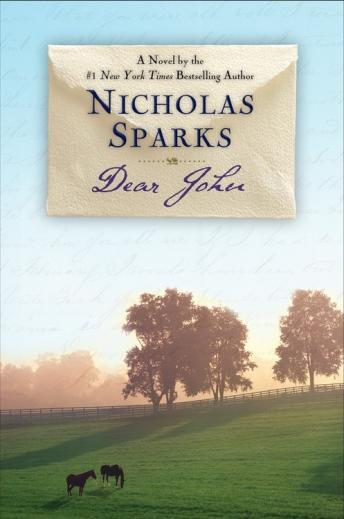
Honor above all. Soldiers are such great dudes that they are willing to sacrifice their own happiness, even if – like the John of ‘Dear John’ – that means walking away from the woman they love to do the honorable thing. They’re just that awesome.


10. Books are better than movies
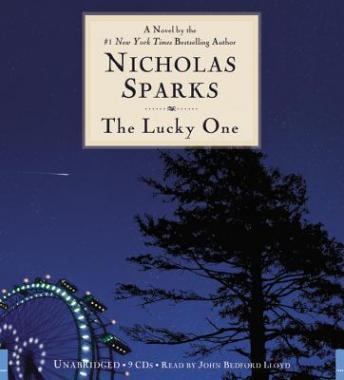
This one’s not exclusive to Nicholas Sparks. We all know it. With the exception of Harry Potter, movies adaptations usually can’t hold a candle to the original text. So just prepare to be disappointed now and you never know – if you go in with no high expectations, you might just be okay with the fact that the studio has butchered the ending, or cut out vital portions of your favorite book. Does ‘The Lucky One’ ring any bells here?

Ken Kesey and 6 Other Authors Who Hated the Films of their Books

Ken Kesey famously hated classic 1975 film version of his book, ‘One Flew Over the Cuckoo’s Nest’. Kesey had wanted to cast Gene Hackman in the lead.  Instead it went to Jack Nicholson, who took home the Academy Award that year for best actor for his portrayal of McMurphy, a convict who faked mental illness in order to finish out his sentence in what he thought would be the relative comfort of a psychiatric ward. Kesey was also disappointed with the director’s decision not to have the film narrated – as the book was – from the point of view of Chief Bromden, a native American character thought to be deaf and mute. Although the film ultimately went on to win the ‘big five’ at the Oscars – Best Picture, Best Director, Best Screenplay, Best Actor and Actress in a Lead Role – Kesey claimed until his death never to have seen it.

Kesey isn’t the only author to have taken umbrage with a studio’s treatment of his book. Here are six more authors who weren’t so pleased to see their book translated to the big screen.

Ernest Hemingway – A Farewell to Arms (1932)

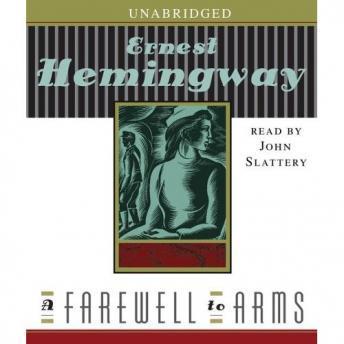
Ernest Hemingway doesn’t sound like the most pleasant fellow. He bullied F. Scott Fitzgerald, alienated writers like William Faulkner and Gertrude Stein, and was famously unfaithful to his wives. Apparently, despite his friendship with leading man Gary Cooper, he was so unhappy with the screen adaptation of the book that established him on the writing scene, ‘A Farewell to Arms’ that he tried to have its release blocked in the town of Piggott, Arkansas where he lived with his second wife. Critics didn’t agree with his assessment – the film took home two Academy Awards.

Roald Dahl – Charlie and the Chocolate Factory (1971)

British audiences would no doubt have welcomed Dahl’s original choice to play the eccentric candy-maker in the film version, renamed ‘Willy Wonka and the Chocolate Factory’. Spike Milligan was beloved over the pond for his off-the-wall comedy as a member of the radio program, The Goon Show. Dahl was unhappy with the studio’s decision to cast Gene Wilder as well as such additions to the plot as a rival manufacturer spying on the Wonka factory and the fact that there was more emphasis placed on Wonka and less on Charlie. But what may ultimately have turned Dahl off was the studio’s break with him when he failed to meet script deadlines. Sorry, Roald. You snooze, you lose.

Stephen King – The Shining (1980)

Jack Nicholson, what did you do to piss writers off anyway? It was actually partly due to Nicholson’s role as McMurphy in ‘One Flew Over the Cuckoo’s Nest’ that put Stephen King off his casting in ‘The Shining’. Apparently Nicholson does crazy so well, King thought it would give viewers a clue that the character Jack Torrence was mentally unbalanced. King also felt that director Stanley Kubrick’s decision to downplay Torrence’s alcoholism and the supernatural aspects of the story, made the character less sympathetic. I’ll give him that – if there is one word I would NOT use to describe Nicholson’s role in The Shining, it would be sympathetic.

Winston Groom – Forrest Gump (1994)

Although ‘Forrest Gump’ soared at the box office and cemented Tom Hanks’ status as one of the greatest actors of our time, the author of the book it was adapted from was not a fan. Winston Groom was unhappy that much of the sex and profanity from the book was downplayed, and had originally imagined John Goodman in the role. To add insult to injury, Groom didn’t receive any royalties from the film. In a classic case of Hollywood accounting, the studio stated that ‘Forrest Gump’ didn’t make any money. I don’t think even the title character of the book-to-film would fall for that dubious claim.

Anne Rice – Interview With the Vampire (1994)

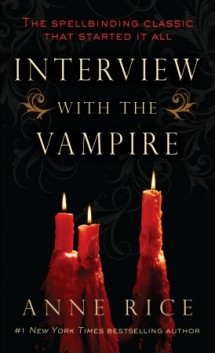
Fans were as outraged as the author at the announcement that Tom Cruise would play her iconic anti-hero, Lestat, in the film version of her book ‘Interview With the Vampire’. Rice’s outspokenness over the selection of Cruise led to the studio cutting off all contact with the author during production of the film. Despite her initial misgivings though, Rice is one author who came around in the end. When shown the final cut, Rice did a 180, declaring that Cruise WAS her Lestat, and even applauding the screenwriters’ additions to her story. One of her only complaints? Brad Pitt didn’t look beautiful enough. Um… okay.


Clive Cussler – Sahara (2005)

Clive Cussler hated what was to be the first in a series of films based on his Dirk Pittman books so much that he sued the studio. Cussler claimed that he was promised absolute control over the script and that he was deceived by the studio, leading to the failure of this big budget film. The studio counter-sued, claiming that Cussler’s bad-mouthing helped to torpedo the project. Cussler lost the case, but has taken it to appeals court. However, he needn’t worry about more Dirk Pittman films tarnishing his franchise – the movie was so poorly received no sequels have gone ahead.

16 Splendiferous Quotes from Roald Dahl

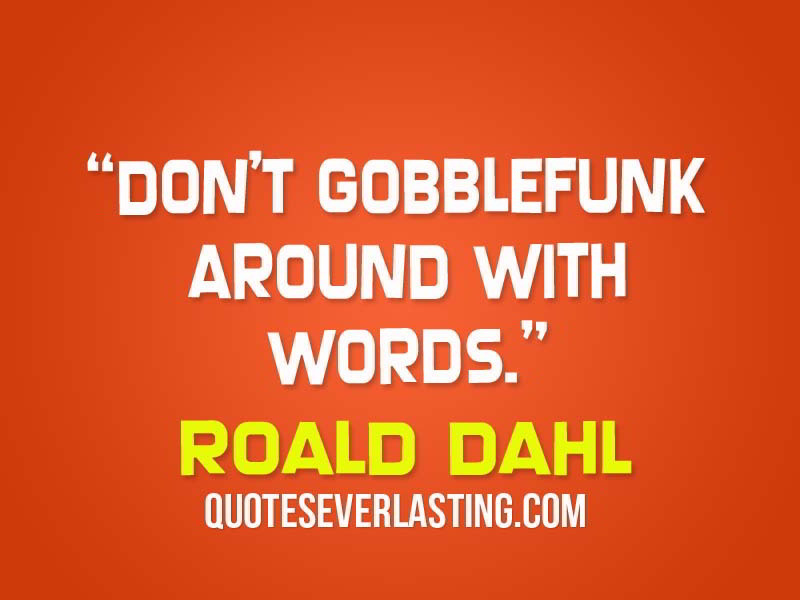
Roald Dahl was born on September 13, 1916. To celebrate the birthday of this beloved author we’ve compiled a list of some of the finest quotes from this perennial favorite of childhood. There were too many wonderful quotes to include here, but if you want more words of wisdom from this master storyteller, listen to five of Dahl’s classic stories, narrated in his own voice in The Roald Dahl Audio Collection. (photo credit: quoteseverlasting.com)


1. “The matter with human beans is that they is absolutely refusing to believe in anything unless they is actually seeing it right in front of their own schnozzles.”
  The BFG


2. “Those who don’t believe in magic will never find it.”


3. “It doesn’t matter who you are or what you look like, so long as somebody loves you.”
  The Witches


4.  “A little nonsense now and then, is cherished by the wisest men.”
―  Charlie and the Great Glass Elevator


5. “Grown ups are complicated creatures, full of quirks and secrets.”
  Danny the Champion of the World


6. “Two rights don’t equal a left.”
  The BFG


7. “‘We have so much time and so little to do! No! Wait! Strike that! Reverse it!”
―  Charlie and The Great Glass Elevator


8. “A little magic can take you a long way.”


9. “Life is more fun if you play games.”
―  My Uncle Oswald


10. “Nowadays you can go anywhere in the world in a few hours, and nothing is fabulous anymore.”


11. “Having power is not nearly as important as what you choose to do with it.”


12. “Somewhere inside all of us is the power to change the world.”
―  Matilda


13. “An autobiography is a book a person writes about his own life and it is usually full of all sorts of boring details.”
―  Boy: Tales of Childhood


14. “Nothing is any fun if you can get as much of it as you want. Especially money.”
―  The Wonderful Story of Henry Sugar and Six More


15. “When you’re writing, it’s rather like going on a very long walk”


16. “A good plot is like a dream.”
―  The Wonderful Story of Henry Sugar and Six More