New Language Learning Audio Books to Make You a Better Global Citizen

Good news, everyone/ tout le monde / todo el mundo!
Good news, everyone!

We’re very happy to now offer over 500 titles from Pimsleur, a well-respected authority in the language-learning industry. Exciting stuff! We’ve changed up our language learning section, so you can now browse our titles by individual languages. Whether you’re going on a trip to Italy, trying to talk to Japanese friends in a forum, or want to appreciate Tolstoy in the original tongue, audio books are a great tool to help you reach your goals.

Don’t believe me? Here’s three reasons why audio books can give you an edge over traditional print.

  1. Listening: One of the most difficult things about comprehending a new language is segmenting—that is, understanding where each syllable begins and ends and being able to distinguish between them in a string of speech.  It’s part of why other languages sound so fast: our brain doesn’t know which sounds are significant, or how to break them up. Spending time listening to a new language being spoken out loud is the only way to start teaching your brain what to look for so you can actually have a functional conversation.
  2. Speaking: Pronunciation is absolutely critical. It can mean the difference between saying “I am happy”, “I used to be happy”, and “I, a woman, am happy.”  Many languages, like Mandarin or Vietnamese, are tonal, meaning even the pitch of a word can change its meaning: “ma” can mean “mom”, “horse”, or “scold” depending on the rising and falling of your voice. Tone can be difficult for non-tonal language speakers to pick up on in adulthood, and especially hard to learn from a book.
  3. Frequency: A critical factor for success is frequency and consistency. Spending twenty minutes doing verb drills once a week might teach you how to say “I Sit” in every tense and mood, but that’s not exactly functional. The best route to success is to find a way to work in regular, frequent exposure to the language, and audio books let you take advantage of those little pockets of spare time you find throughout the day. Make a habit out of listening to “Intro to Arabic” every day on your commute to work, or play a Spanish-language title every night while you’re cooking dinner.

There’s nothing wrong with traditional printed language learning tools (in fact, I’m a big fan) but auditory learning is a sure-fire way to cement your learning and teach you valuable skills you can’t get any other way. So, go get started!
Old School vs. New Age Vampires

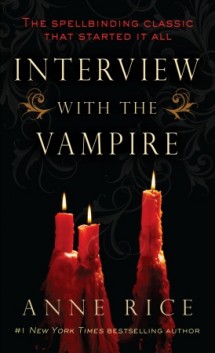
Anne Rice, one of the most popular authors of vampire lore, celebrates her birthday today. Rice’s iconic anti-hero, Lestat is definitely your old-school, bad-ass bloodsucker. Today’s vampires are a little more – how shall I say it? – tame.
I blame Vince Gilligan. I know – you’re thinking, what does the creator of ‘Breaking Bad’ have to do with making Edward Cullen sparkle? Well, personally I think the turning point occurred around the same time that Gilligan, then a writer for ‘The X-Files’, enlisted Luke Wilson to play a vampire with a heart of gold who stole Agent Scully’s heart but let her walk away with her blood intact in the classic episode ‘Bad Blood’. They just got softer from there. That’s right, folks. The same man responsible for bringing us Walter White also brought us the recent invasion of the ‘tamepires’.

I don’t know – maybe it was the Count from Sesame Street. Or Count Chocula. But whoever is to blame, it seems like these gentle new creatures of the night are here to stay. To see just how today vampires stack up against their counterparts of yore we thought we’d do a little side by side comparison to see who comes out on top.
Old School vs.

New Age

Reaction to Sunlight
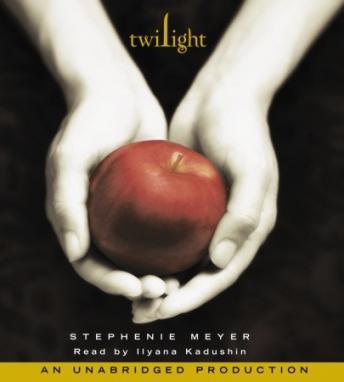
In Interview with the Vampire Anne Rice’s characters definitely fall into the old school category here. Leave them out in the sun and – oh no! Where did my vampires go? Okay, if you’ve been sleeping in a coffin for the past ten years, you might have missed the news – in Stephanie Meyers’ Twilight, Edward Cullen sparkles in the sunlight!!! You heard me, people – I said he SPARKLES.
And the winner is: Wow, this is a tough one. I mean, it must suck (pun intended) to shrivel up in the sun like a raisin, but who wants to walk around looking like they did a face-plant into a container of sparkles on a pre-school craft table? We have to call this one a tie.


Diet
Real vampires drink blood, y’all. Human blood. Although Rice’s Lestat occasionally distinguishes between innocent victims and bad guys, at the end of the day, he has got to feed his craving. In Rice’s Vittorio the Vampire,  the vampires’ need for blood is overwhelming. Most new age vampires are on a strictly no-human diet. It’s sort of like Atkins for vampires, so around the new-age table it’s all “Please pass the mountain lion.” In A Discovery of Witches by Deborah Harkness, Matthew relies on blood banks for his fix, although it’s not the same as the fresh stuff.
And the winner is: Listen, we’re not advocating drinking human blood for everyone – but if that’s your deal then go with it. Everything in moderation, right? Old school takes the cake – or should we say the plasma?


Reflection
It was never fully explained why Bram Stoker’s Dracula couldn’t see his reflection in the mirror. Perhaps it’s because he is a creature of the dark, but whatever the reason, it could explain why he sticks to the Bryll cream and combed back look. Have you ever seen Edward Cullen’s hair? Hello! Of COURSE he can see his reflection – that windswept  ‘do doesn’t just happen, you know.
And the winner is: Real vampires should be concentrating on sucking people’s blood, not primping. Sorry, newbies. The old-school wins this round.


Fangs
Carmilla by J. Sheridan Le Fanu precedes even Dracula and both of these old school vampires prove that back in the day fangs were definitely in style. While the Cullen clan would never sport any look so unstylish, the characters of L.J. Smith’s The Vampire Diaries have the best of both worlds. Retractable fangs are just so much more practical, don’t you think?
And the winner is: Convenience and versatility win this round. If you need fangs then retractable is definitely the way to go. A win for the new guys.


Aversion to Garlic
Call me old-fashioned but I remember a time when fighting a vampire was akin to making a killer pesto. In The Vampyre  by John Polidori, you could stop a vampire in its tracks with a few bulbs of garlic. If Cassandra Clare’s ‘The Mortal Instruments‘ are any indication, the greatest danger posed to vampires from garlic these days is a nasty case of indigestion.
And the winner is: Well, who doesn’t love a dash of garlic here and there? This is another one for the new kids on the block.


Relationship with Werewolves
Bram Stoker’s character not only didn’t have to fight over his human girlfriend with a werewolf sporting a killer six-pack, but he could actually transform into a large wolf himself. In Twilight vampires and werewolves are mortal enemies, which will make things awkward at family dinners when Edward’s daughter shows up with her mate, Jacob.
And the winner is: First of all – life is too short to fight with your neighbors. Secondly – who doesn’t want to turn into a wolf at will? Old school wins.

So what’s the verdict? Was it ever in question? Old school rules!


Need Your ‘Breaking Bad’ Fix? 5 Audio Books to Help You Through Withdrawal

It’s been less than one day since the gripping conclusion to one of the most highly acclaimed television dramas of all time, but diehard ‘Breaking Bad’ fans are already asking themselves “what now?” How will you fill the void left in your life with the exit of Walter White?

Here are 5 gritty, heartbreaking and sometimes darkly funny audio books that will help ease the transition:

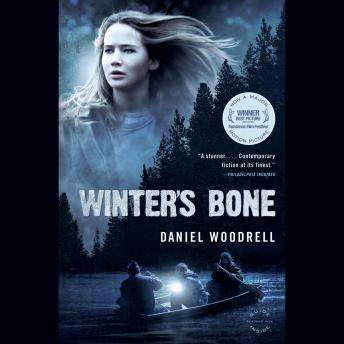
Winter’s Bone

By Daniel Woodrell

Facing charges, the Dolly family’s meth-cooker patriarch has disappeared. His sixteen year old daughter, Ree just wants to protect her young  brothers and keep the family home. But as her search for her father leads her to uncover the dark secrets of this outlaw clan, Ree discovers an inner strength she didn’t know she had.

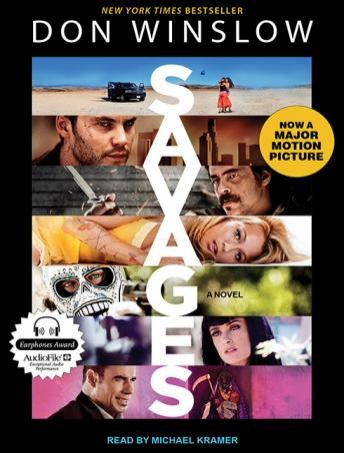
Savages 

By Don Winslow

‘Savage’ perfectly describes Winslow’s bleakly humorous novel. Things are going swimmingly for Ben and Chon, two beach bums turned marijuana dealers in Laguna Beach, until a Mexican drug cartel puts the squeeze on them. When they resist, the cartel kidnaps their friend/lover, Ophelia and the boys are drawn into a heist caper to try and raise the ransom to get her back and the cartel off their backs.

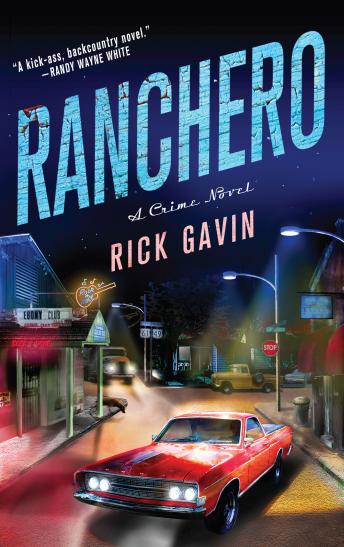
Ranchero

By Rick Gavin

In Gavin’s gritty and wild road trip novel, repo man Nick Reid is determined to recover his borrowed 1969 Ranchero after it’s stolen in the course of a repossession. Even when it means facing down a meth dealer, Nick will do whatever it takes. Climb aboard for an adrenaline-charged ride.

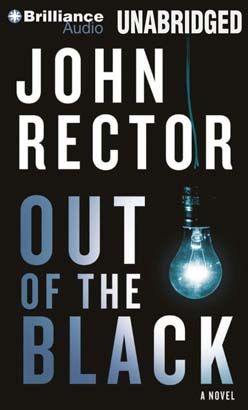
Out of the Black

By John Rector

Newly widowed, and faced with losing custody of his daughter, Matt Caine takes desperate measures to hold his family together. When things look bleak, Matt turns to the one friend he believes can help him. But one bad decision leads to another and Matt finds himself pushed to his breaking point.

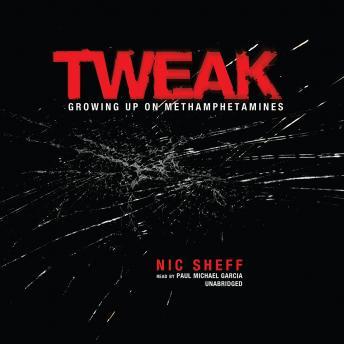
Tweak: Growing Up on Methamphetamines

By Nic Sheff

Things get real in the final book on our list, a memoir by a young man who found himself in a downward spiral of addiction by his teens. It took hitting rock bottom to convince Sheff he needed help and the book also covers his difficult and painful path to recovery, and his attempts to make peace with his family and his past.


7 Best Book to Mini-Series Adaptations

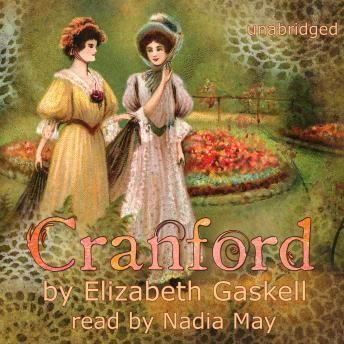
Author Elizabeth Gaskell was born on this day in 1810. In addition to being a contemporary of Charles Dickens, and friend and biographer to Charlotte Bronte, Gaskell can also lay claim to another achievement – authorship of one of the finest book to mini-series adaptations ever made, Cranford.

Let’s get one thing out of the way right off the bat – when it comes to period pieces, Hollywood can’t hold a candle to the BBC (although I still haven’t forgiven them for killing off Marian at the end of Robin Hood season 2 in 2007). As well, mini-series make the ideal format to truly capture the essence of a book. Although there are many wonderful film adaptations, often too much is lost when the original has to be cut down to two hours.

Here are seven wonderful books that are also great mini-series:

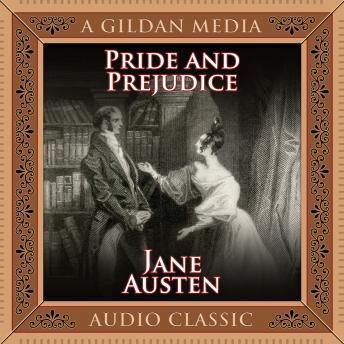
Pride and Prejudice

How do I always seem to find myself writing about Colin Firth in a wet shirt? Based on Jane Austen’s Pride and Prejudice, the 1995 adaptation is the mother of all mini-series – the one that introduced palpable sexual tension to period drama, with Firth’s Mr. Darcy dripping wet after a dip in the lake, (See? There I go again!) or watching Elizabeth Bennet frolic in the grass from his bath. And kudos to the BBC for their casting of real women to play their heroines. Jennifer Ehle is perfectly lovely and has the requisite ‘fine eyes’ to play the role of Lizzy, but you just know that if a Hollywood-owned studio were casting, the role would go to someone who looked more like – oh, I don’t know – Keira Knightly?


Cranford

Boasting a large ensemble cast that includes Judi Dench, Michael Gambon and Imelda Staunton, this 2005 series and its 2010 sequel ‘Return to Cranford’ were based on the book Cranford by Elizabeth Gaskell. Both perfectly capture life in small town England in the 1840’s with just the right balance of humor, romance and drama. And a cow in pajamas. And a cat with – well, you really have to see that part for yourselves.

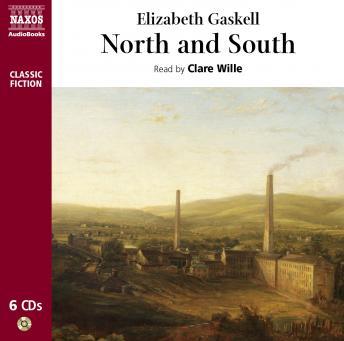
North and South

Despite the fact that Richard Armitage played the character who ran the aforementioned Marian through with a sword in Robin Hood (thus ruining my favorite show forever,) I can’t hold it against him. Not only is he now known to audiences now as the noble dwarf leader, Thorin Oakenshield in the Hobbit movies, he was also dreamy as the lead in the 2004 adaptation of Gaskell’s book North and South, a romance between a southern lady and a Northern mill owner during the industrial revolution.

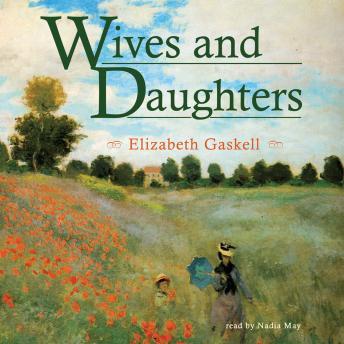
Wives and Daughters

Gaskell’s deft touch weaves humor and drama together once again in her book, Wives and Daughters, and the 1999 series of the same name captures perfectly the tensions that can arise between women and men in blended families. But why does poor Francesca Annis always seem to play the character you love to hate in Gaskell’s series?

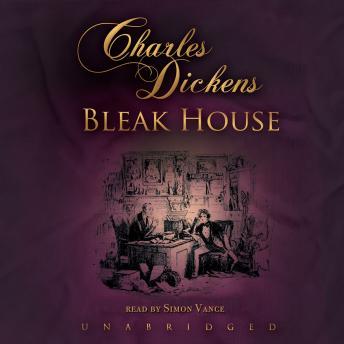
Bleak House

If you thought Gillian Anderson had been abducted by aliens (again!) after the X-Files ended, it turns out she’s just been in England. You can catch her in this wonderful 2005 adaptation of Charles Dickens’ Bleak House, a series of subplots with an examination of the flaws in British judicial system at its core.

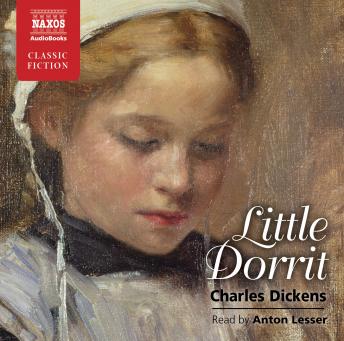
Little Dorrit

Matthew MacFadyen may never replace Colin Firth in my heart as the one true Darcy, but that doesn’t mean I don’t adore him. In this adaptation of Dickens’ Little Dorrit, MacFadyen displays his trademark combination of vulnerability, strength and puppy dog eyes in this tale surrounding inmates in a London debtors’ prison in the 19th century. It also features Arthur Darville, who played the Doctor’s companion Rory (if you have to ask ‘Doctor who?’ you just answered your own question) in one of his first TV roles.


Jane Eyre

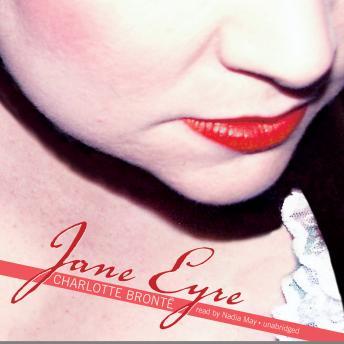
Although we’ve had several wonderful portrayals of Rochester to choose from over the years, I love this 2006 adaptation of Charlotte Bronte’s classic Jane Eyre starring Toby Stephens as the gruff hero. Stephens is the son of Dame Maggie Smith and you can catch occasional glimpses of her angular features in his rugged good looks. The tension between Ruth Wilson as Jane and Stephens’ Rochester is electric.


8 Things We Love About Audiobooks

While we were planning our recent site redesign, we took a bit of time out to survey some of our listeners and find out their favorite things about the Audiobooks.com service. They had a lot to say! Here are some of their top responses about why they love Audiobooks.com:

1.       I Can Download OR Stream Instantly

“Love the ability to listen to downloaded books without streaming.”

“I love streaming book after book.”

One of our listeners’ favorite features is the ability to listen to books instantly by streaming. But if you prefer to listen offline – perhaps you’re planning to travel – you can also go into settings and select the ‘Download’ option. Your book will be saved for listening anywhere.

 2.       Simple to Use App

“Easy set up and love its instant upload capability.”

“It’s perfect and easy to use!”

The ease-of-use of the Audiobooks.com app for mobile devices is one of the most popular aspects of Audiobooks.com. Just download the app from the iTunes or Google Play store and you’re ready for listening anywhere. The streamlined, easy-to-read dashboard lets you browse books to download or stream instantly, and always takes you back to where you left off.

 3.       A Wide Variety of Popular Titles

“Your audiobook service is easy to use, up to date on the new releases – a must have for any serious audiobook fan.”

Our listeners love that they have over 40,000 audio books to choose from – including the latest, best-selling titles from top publishers. And at Audiobooks.com we’re growing our database all the time – so there are always new titles to choose from.

4.       I Can Keep My Books FOREVER

“I love that all of my books are stored for me in case I want to listen again!”

Audiobooks.com stores your books for you so you can always go back and access your favorites. All of your books are stored in ‘My Books’ so you can revisit them later.

5.       Cheaper than Regular Audiobooks

“Audiobooks.com has provided many books for me to listen to at a very reasonable price. I have loved all I have listened to.”

“I can listen to 2 books a month for the price of one.”

Many of our listeners have found that the cost of audiobooks can be prohibitive – some are upwards of $40! With our simple, monthly subscription, listeners can enjoy the latest releases at the low price of just $14.95 a month, and get additional books for just $10.

6.       Amazing Customer Service

“Customer Service is VERY helpful on the rare occasion I need to contact them.”

“Great customer/technical service”

“Customer service responses are very fast. I’ve already recommended it.”

Our listeners appreciate the fact that when an issue comes up, they can instantly reach out to our helpful, friendly customer service department. We’re here to assist with questions about our app, answer inquiries about book availability, or resolve any technical problems that may have you stumped.

7.       The Ability to Listen on Multiple Devices

“Listen on the phone, listen on computer, ipad, etc. anytime, anywhere – what’s not to like?”

With our unique Cloud Bookmarking feature, Audiobooks.com lets you switch back and forth between devices as you listen – and never lose your place.

8.       Convenience

“Audiobooks are great drive-time company. Many of us live such hectic lives we don’t have time to read, but we do have time to listen. LOVE the service.”

“Listening to audio books makes all those ‘less fun’ tasks (like exercising, cleaning house, & driving) much more enjoyable!”

“There’s no wait for a book.”

“Best way to read books EVER!”

Our listeners love that fact that whether you’re driving, doing housework, working out or walking the dog, Audiobooks.com quickly and easily allows you to incorporate reading into your everyday life.

10 Best Stephen King Audio Books

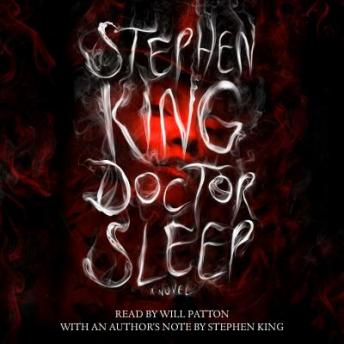
Doctor Sleep, the highly anticipated sequel to The Shining was released this week on audio book. To celebrate the new release from this bestselling author, we thought we’d take a look back at our 10 favorite Stephen King books.


Carrie
(1974)

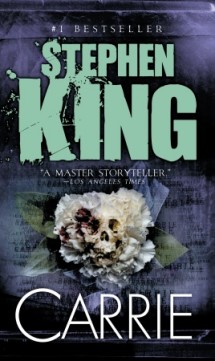
King became so frustrated writing this horror story about an outcast high school girl with supernatural powers that he tossed the manuscript in the trash. Luckily, his wife convinced him to keep at it and it became his first of his books to be published. It’s fitting that this is Banned Books Week because Carrie is one of the most frequently banned books in schools. The 1977 movie adaptation starring Sissy Spacek became an instant classic of the horror genre.

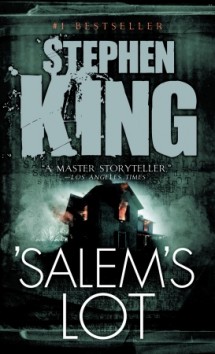
Salem’s Lot (1975)

Count Dracula meets Richard Nixon. King has said that his second published work, the story of a small town inhabited by vampires, was one of his favorites. Inspired by Dracula, King also drew on the growing distrust of the establishment fostered by covert activities uncovered during the Watergate era to pen this psychological thriller about an evil, invasive scourge.

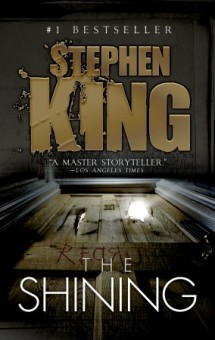
The Shining (1977)

King’s third book cemented his place as a master of the horror genre. The tale of an alcoholic writer attempting to escape his demons by moving his family to Colorado and taking up residence as the caretaker of an empty, isolated hotel was his first book to become a bestseller in hardcover. Although King was reportedly unhappy with director Stanley Kubrick’s film adaptation starring Jack Nicholson, audiences weren’t.

The Stand (1978)

This post-apocalyptic story begins with the accidental release of a biological agent from an army base. The virus ravages the population and the book follows the ensuing chaos, leading to a final battle between the survivors.  Much as Dracula and Watergate inspired Salem’s Lot, King’s idea for The Stand came from the unlikely pairing of The Lord of the Rings and the Patty Hearst kidnapping.

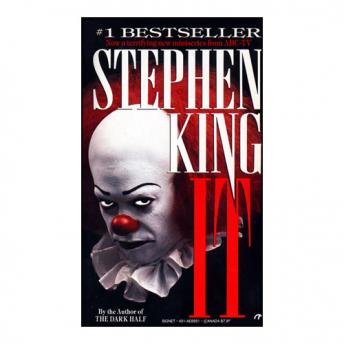
It (1986)

Ugh – King brings all of our worst fears about clowns to life in this creepy tale of children terrorized by a mysterious entity.

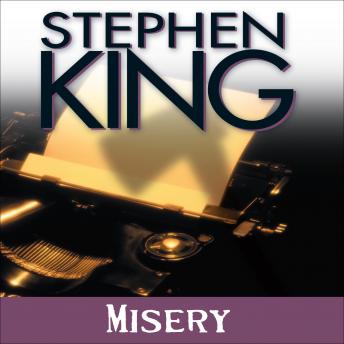
Misery (1987)

King drew on his own experiences as a writer for this story of an author held against his will by a rabid fan unhappy with the resolution of one of his books. Negative fan reaction to The Eyes of the Dragon led to King feeling confined to the horror genre.

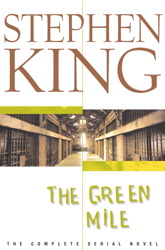
The Green Mile (1996)

The Green Mile began as six volumes published separately. Set in the Louisiana State Penitentiary, it tells the story of a prison guard whose life is forever changed by his encounter with an inmate on death row who displays unusual abilities. The movie version starring Tom Hanks was nominated for four Academy Awards.

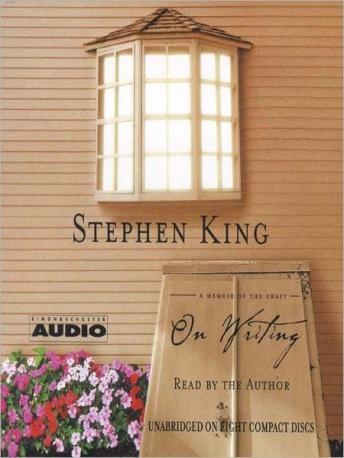
On Writing: A Memoir of the Craft (2000)

Part autobiography, part treatise, On Writing covers various aspects of King’s life including his struggles with alcoholism and the 1999 car accident which nearly cost him both his legs. It’s also a practical guide to writing offering tips to aspiring writers and includes drafts of his story ‘1408’.

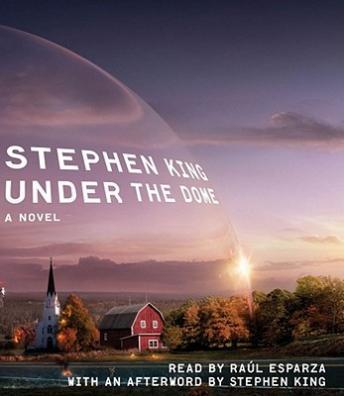
Under the Dome (2009)

King revisited an unfinished manuscript from 1972 for this story of a town trapped under a mysterious dome. Affected by the ecological problems confronting us today, King wanted to illustrate, on a smaller level, how we all live ‘under a dome’ and the challenges faced when we neglect to care for our environment.


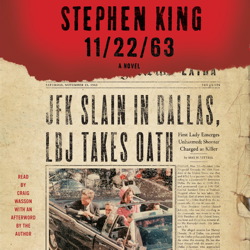
11/22/63 (2011)

This novel, combining alternative history with science fiction, was a departure for King. He did exhaustive research to ensure he accurately captured the feel of the 60s for this story of a time traveler attempting to go back and prevent the assassination of JFK.